
Jordan was known for his careful attention to detail, tackling gender roles and writing strong female characters in his novels. The island home of the Aes Sedai (ostensibly, female wizards) looks like a vagina.
Coincidence?
Jordan was known for his careful attention to detail, tackling gender roles and writing strong female characters in his novels. The island home of the Aes Sedai (ostensibly, female wizards) looks like a vagina.
Coincidence?
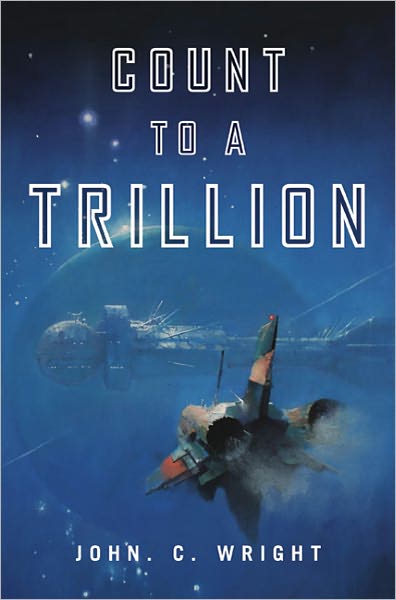
I don’t always agree with the way Wright conducts himself online, but this is a darn pretty cover. Art appears to be by John Harris, which explains my attraction to it.
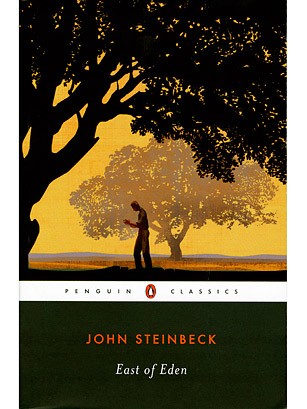
Ever wondered why John Steinbeck’s classic American novel East of Eden has proved so popular over the decades since it’s release? Maybe it’s the cover art.
Recently, Publishers Weekly awarded East of Eden with the coveted prize of “Best Book Covers Ever.” PW looked back at the many editions of Steinbeck’s novel and declared it as the king of the hill where consistently great cover art is concerned. They also made some interesting observations about the effect cover art has a reader’s experience with a novel:
A book cover has to both draw you into the book when you first pick it up as well as stand as an aesthetic representation of the story’s heart. For many of us, book covers are a big reason why we’re still holding onto physical books, and there’s something about the best of them that conveys the transportive ability we find in our favorite books.
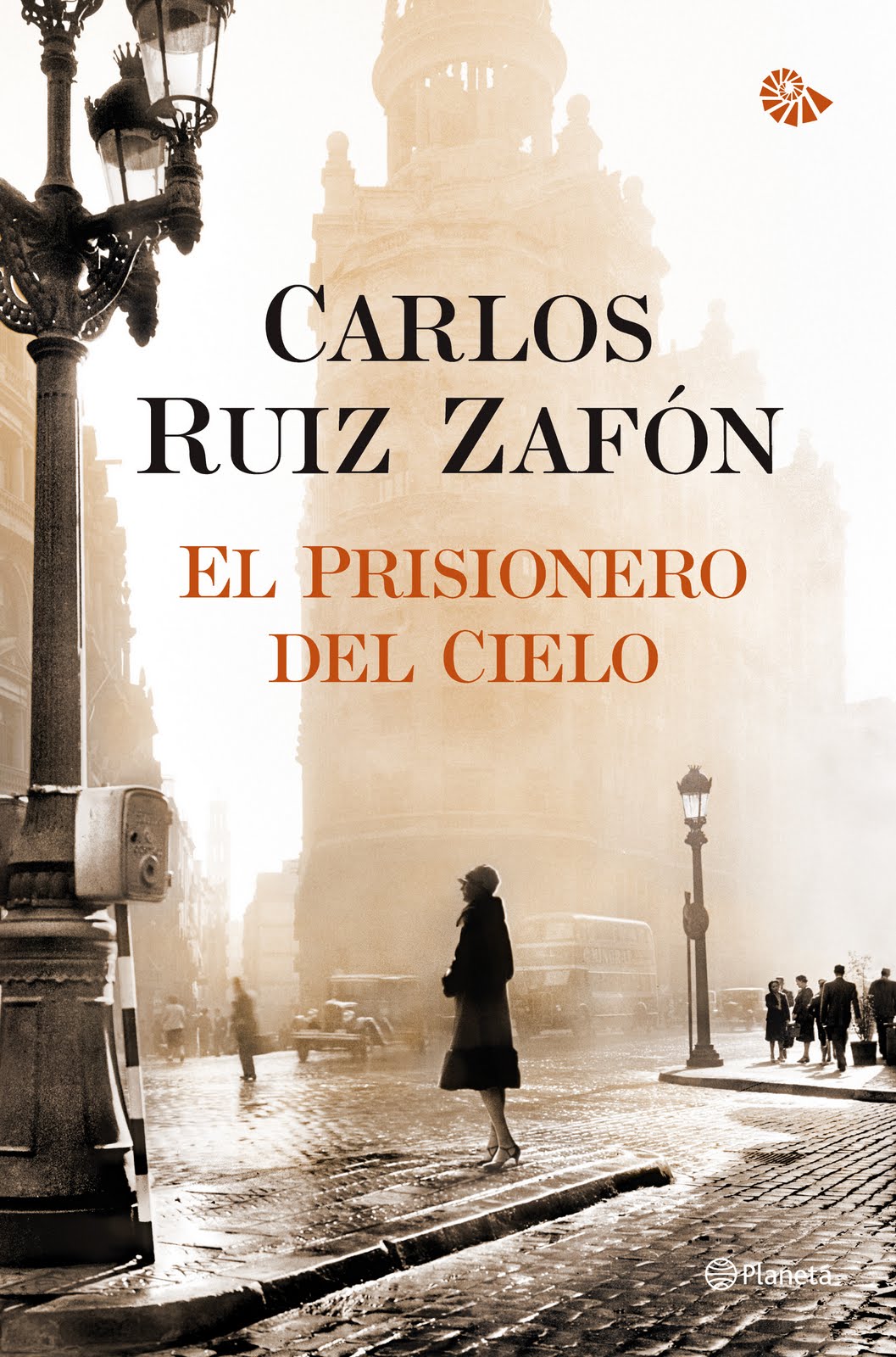
The first thing you’ll notice, of course, is that the title Carlos Ruiz Zafon’s latest novel is El Prisionero del Cielo (or The Prisoner of Heaven, for those not versed in Spanish, like myself), which points to the novel and its author’s Spanish heritage. I’ll certainly post the English cover when it is finally announced (as I’m sure it will be, given the enormous success of its predecessor, The Shadow of the Wind).
Luckily, thanks to Mihai at Dark Wolf Fantasy Reviews, we also have a translated synopsis for the novel:
Barcelona, 1957. Daniel Sempere and his friend Fermín, the heroes of “The Shadow of the Wind” are back on a new adventure to face the greatest challenge of their lives. Just when everything begins to smile on them, a disturbing character visits the Sempere’s bookshop and threatens to reveal a terrible secret which lay buried for two decades in the dark memory of the city.
Zafon has been upfront about his plans to write four novels based around The Cemetery of Lost Books, first discovered by reader in the author’s first adult novel, The Shadow of the Wind (REVIEW), each of which stands alone while adding to an overall narrative arc. Zafon followed The Shadow of the Wind with a prequel, The Angel’s Game (REVIEW), which followed an almost entirely new cast of characters and was set several decades earlier. I expected that trend to continue with the third and fourth volumes in the tetralogy, but instead of a new set of characters, we’re returning to Daniel Sempere, the immensely likeable protagonist on The Shadow of the Wind. The Angel’s Game was a fine novel, but suffered from many issues that its predecessor did not; hopefully the return of familiar faces and storylines will help Zafon return to the form I expect of him.
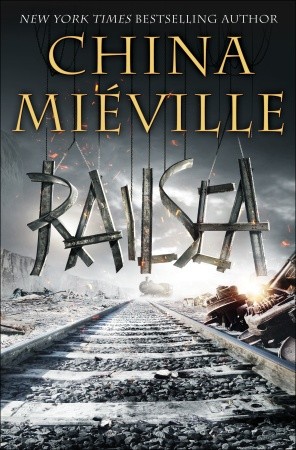
Not much is known about the novel, beyond the title. On The Wertzone, Adam Whitehead suggest that Railsea might be Mieville’s second YA novel (after Un Lun Dun), which seems like an appropriate guess based on this cover. It’s all reminiscent of Paolo Bacigalupi’s Ship Breaker, his highly regarded YA novel. I’ll be sure to let you know when I find out more about the novel.
