“It is one’s own daydreams that provide the mythopoeic power” – Joanna Russ
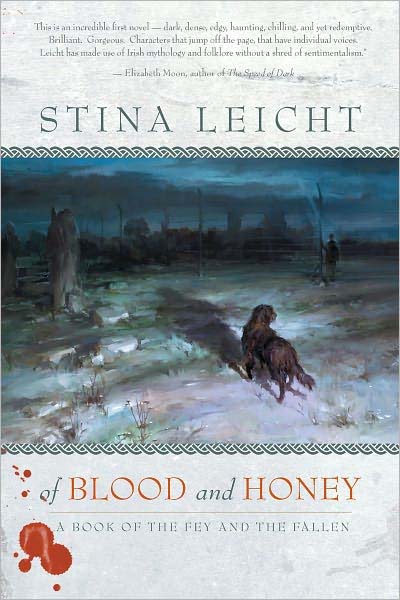
Last week I was fortunate to be part of an SF Signal panel that answered the question: “What was the last genre book that blew your mind?” There were a variety of titles chosen, and most of the discussion focused on telling other panelists and the listener what made each book “mind-blowing.” The books included Stina Leicht’s Of Blood and Honey, Paul Jessup’s Open Your Eyes, and Hannu Rajaniemi’s The Quantum Thief, each of which is a very different book from the others. As we discussed these books, I began to wonder how these books achieved this heightened status, and from there I began to contemplate the question: how does a work of literature “blow our mind?”
The concept that something can be “mind-blowing” is a recent one. The term became popular in the 1960s first to describe the experience of taking psychedelic drugs. As it proliferated in usage its application expanded, and eventually included anything that was startling or intensely affecting. It is now found in a variety of contexts, and has been used in fantastika in book titles, in discussions about the literature, and sometimes in relation to works that might not seem to fit the term. It is a term that relates to a type of encounter, but that is often subjective and used to communicate an intense personal experience to others in a way that sets them into a similar relationship to the source or effect that is “mind-blowing.”
Read More »