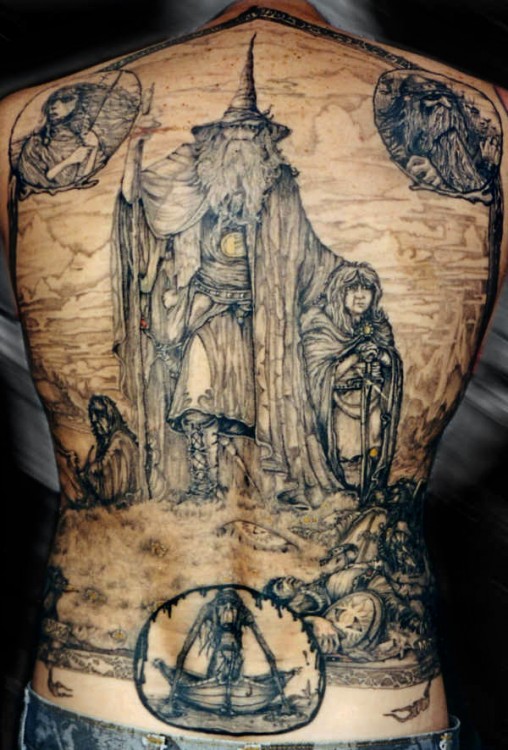
Not that I’d ever advise anyone that such a tattoo is a good idea, but… holy crap. That’s kinda beautiful. Looks like it might be inspired by Alan Lee‘s artwork?
Oh, and I know that it’s probably a Lord of the Rings tattoo, with presumably Gimli and Legolas in the two corners, but we’ll just pretend that that’s Glóin and The Hobbit era Legolas, son of Thranduil, so that my pun-tastic title can stay.
I came across this on Tumblr, and thought it was worth a read:
Science fiction, speculative fiction, whatever, is the perfect choice for that kind of behavior. Someone […] once wrote that poking fun at science fiction, as a genre, is so silly, considering that mystery novels (which are also great!) are about death and murder and crime, while sci-fi is about reimagining the world and making it better and new and different. And, honestly, these are the books and pulps and magazines and comics that have done more than any other genre to begin the process of playing with race, and gender. No one is claiming that Heinlein is a social justice blogger, or anything like that, and it’s not a super-great book, but ANY KIND of science fiction, even of the Tits in Tight Silver Outfits variety, is implicitly saying that the world we currently live in is not the only way a world could be, that things could change. That’s really revolutionary, when you think about it. And, jeez, if you want to talk about “the story not the storyteller,” let’s think about Orson Scott Card. The man is a bag of dicks, when it comes to his personal politics, but Ender’s Game, Speaker for the Dead, and Pastwatch: The Redemption of Christopher Columbus could actually make you a better person.
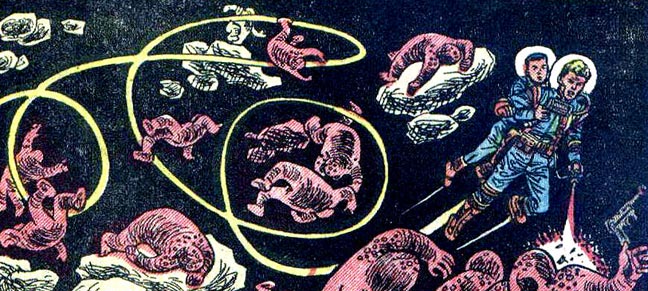
This is an excerpted piece of from Nicole Cliffe‘s review of Robert Heinlein’s Stranger in a Strange Land, I’ve always appreciated this aspect of Science Fiction and, like Cliffe, feel that the sensawunda, the insistance that the world, the universe, humanity has the potential to be better is a very strong reason why Science Fiction is so important to the history of human society and the future development of us as a people and a species. I’ve written something similar about Fantasy, come to think of it. Whether you agree with Cliffe or not, the whole review is worth reading, and I hope we can discuss some of these arguments that she raises.
Thoughts?
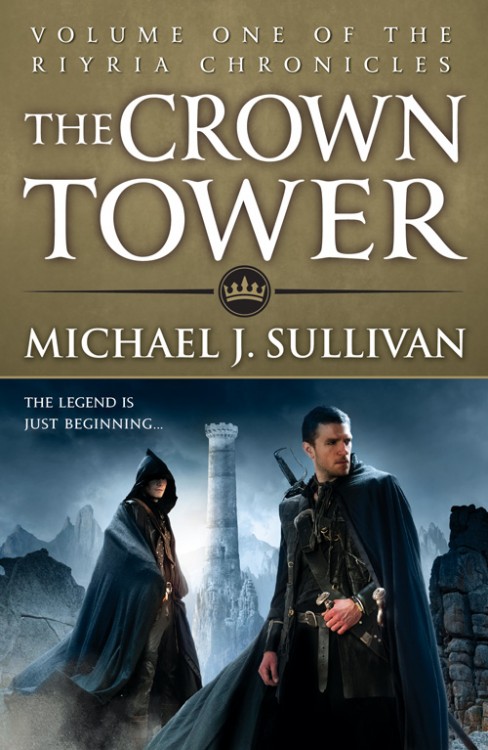
From Orbit Books:
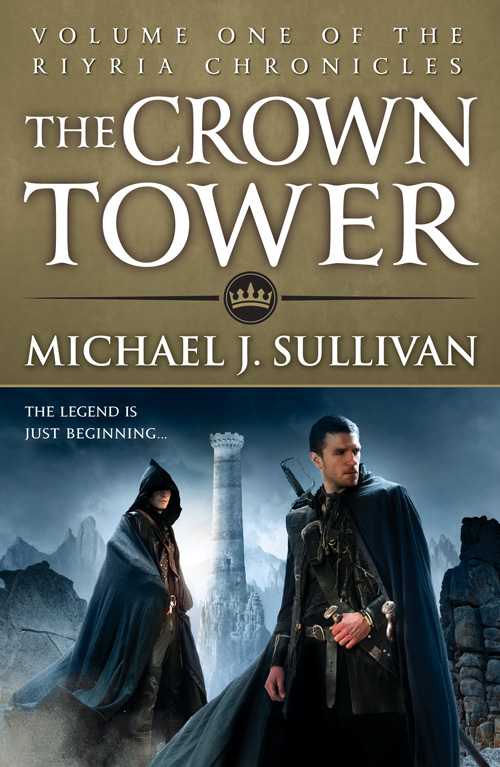
Hadrian, a warrior with nothing to fight for is paired with a thieving assassin, Royce, with nothing to lose. Together they must steal a treasure that no one can reach. The Crown Tower is the impregnable remains of the grandest fortress ever built and home to the realm’s most prized possessions. But it isn’t gold or jewels that the old wizard is after, and if he can just keep them from killing each other, they just might do it.
The Crown Tower is the first volume in a two book series (for ‘duology’ doesn’t seem the right term, given their nature, as explained by Sullivan below) called The Riyira Chronicles, and will be followed shortly afterwards by The Rose and Thorn, the concluding volume. Read More »
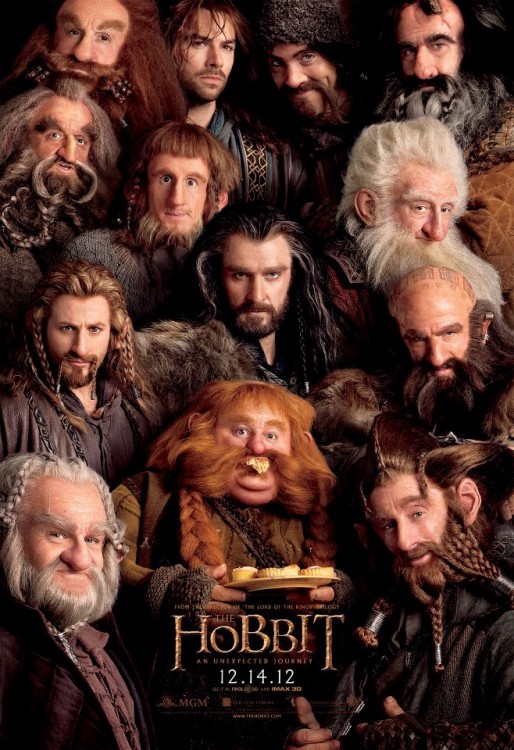
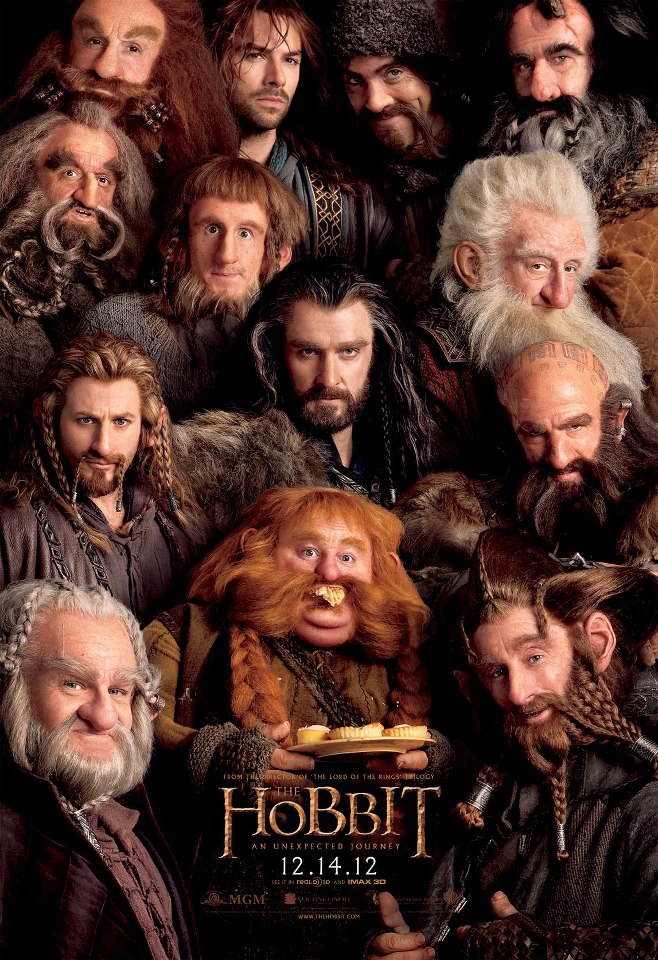
Pretty fun, reminds me of The Muppets. And, really, that dwarf at the top is far too good looking. And, I want whatever it is Bombur is eating.
Publisher: Orbit Books -
Pages: 688 -
Buy: Book/eBook
My first exposure to Brent Weeks wasn’t through his fiction, though his first series, the Night Angel Trilogy, was popular among other bloggers and readers like myself. Instead, I was first exposed to Weeks through Twitter (@BrentWeeks). At some point long forgotten, Weeks and I began following each other. Me, a blogger with the potential to promote his books; him, an up-and-coming Fantasy writer who had the gall to not only finish a chunky Fantasy series in three books, but publish the whole trilogy over the course of only two months. I found Weeks to be funny and generous, and a passionate fan of Fantasy, with many similar authors littering the root of his passion and mine. Most pointedly, perhaps, was Terry Brooks, one of the forefathers of modern Fantasy.
So when his next trilogy was announced, a trilogy entirely unrelated to his previous work, I decided that I’d jump in there, not just out of curiosity, but because I now considered Weeks a friend, if one connected only by the thin threads of Twitter and Facebook. My reaction to the novel was somewhat mixed. For all its successes — a likeable set of protagonists, an interesting take on typical Epic Fantasy worldbuilding, a fresh magic system — it was littered with problems — clunky exposition, an overreliance on the reader being invested in a complicated magic system — and I finished the novel feeling somewhat perplexed about my opinions. I couldn’t even be sure whether I enjoyed it or not, or whether I was interested in reading further in the series. Instead of reviewing the novel, I put it aside and just sort of let it be. Read More »